
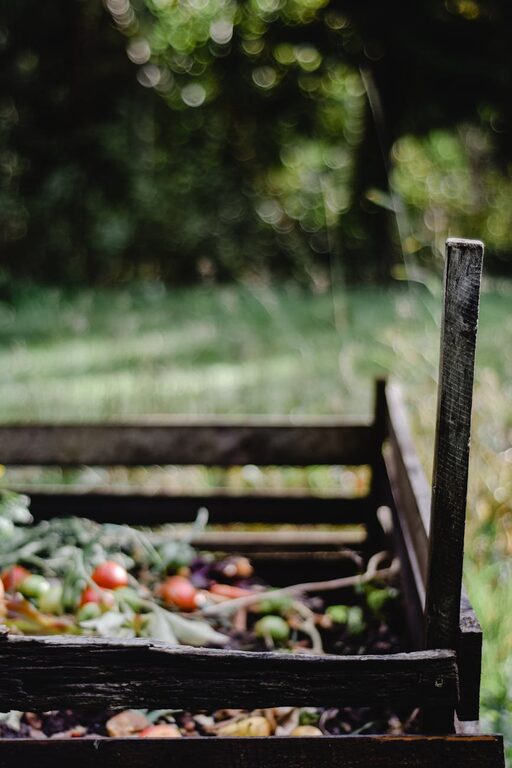
Composting at home is an eco-friendly practice that turns kitchen scraps and yard waste into nutrient-rich soil. Whether you have a backyard garden or just a few potted plants, composting helps reduce landfill waste and supports healthy plant growth. If you’re new to composting, don’t worry! This guide offers easy beginner tips to help you get started quickly and successfully.
What is Composting?
Composting is the natural process of recycling organic material, like food scraps and leaves, into a dark, crumbly soil amendment called humus. This material is packed with nutrients that improve soil structure, retain moisture, and promote healthy plants.
Why Start Composting at Home?
– Reduce Waste: About one-third of household waste is compostable, including fruit and vegetable scraps, coffee grounds, eggshells, and yard trimmings.
– Enrich Your Soil: Compost adds essential nutrients and beneficial microbes to your garden soil.
– Save Money: By improving your soil, compost reduces the need for chemical fertilizers and watering.
– Help the Environment: Composting lowers methane emissions from landfills and reduces your carbon footprint.
Getting Started: Basic Composting Tips
Choose the Right Composting Method
There are several ways to compost at home. Choose one that fits your space and lifestyle:
– Compost Bin: A closed container ideal for small yards or patios. It keeps pests out and looks tidy.
– Compost Pile: A simple heap in your garden, suitable if you have ample space.
– Worm Composting (Vermicomposting): Uses worms to break down food scraps indoors, great for apartments.
– Tumbler Composters: Rotating bins that speed up the composting process.
Find the Perfect Spot
Place your compost bin or pile in a convenient, well-drained, and partially shaded area. Easy access encourages regular use, while some shade prevents excessive drying.
Understand What to Compost (and What Not To)
A successful compost pile depends on the right balance of materials:
– Greens (Nitrogen-rich): Fruit and vegetable scraps, coffee grounds, fresh grass clippings, garden trimmings.
– Browns (Carbon-rich): Dry leaves, straw, shredded newspaper, cardboard, wood chips.
Avoid composting meat, dairy, oils, diseased plants, pet waste, and synthetic materials as they can attract pests or cause odors.
Maintain a Balanced Mix
Aim for roughly 2 to 3 parts browns to 1 part greens. This balance supports microbial activity and prevents smells or sogginess.
Chop or Shred Materials
Breaking down scraps into smaller pieces speeds up decomposition by increasing surface area for microbes to work on.
Caring for Your Compost
Keep It Moist Moisture is essential but avoid soaking the pile. Your compost should feel like a wrung-out sponge—damp but not dripping.
Turn or Aerate Regularly
Flipping or mixing your compost every 1–2 weeks introduces oxygen, which helps microbes break down materials faster and avoids bad odors.
Be Patient
Decomposition can take anywhere from a few weeks to several months depending on temperature, moisture, and materials. Finished compost looks dark, crumbly, and earthy.
Troubleshooting Common Compost Problems
– Bad Smell: Usually caused by too much moisture or greens. Add browns and turn the pile.
– Pile Too Dry: Water lightly and mix to distribute moisture.
– Slow Decomposition: Add nitrogen-rich materials and chop materials smaller.
– Pests: Use a closed bin or bury kitchen scraps deeper inside the pile.
Using Your Finished Compost
Once ready, use your compost as a soil amendment in garden beds, flower pots, or as mulch around trees and shrubs. It improves soil structure and provides plants with vital nutrients.
Additional Tips for Success
– Use a compost thermometer to monitor temperature; ideal piles heat up to 130°F–160°F.
– Collect kitchen scraps in a small container to avoid trips outside.
– Rotate what you compost seasonally; for example, more leaves in fall, more greens in spring.
– Consider starting a compost journal to track what works best.
Final Thoughts
Composting at home is a rewarding habit that benefits your garden, household, and the planet. By starting simple, balancing your materials, and maintaining your pile, you can create rich compost with minimal effort. Happy composting!
—
Composting transforms waste into valuable soil nourishment, making it one of the easiest ways to contribute to environmental health while enjoying the fruits of your garden. Start small, stay consistent, and watch your compost—and plants—thrive!
